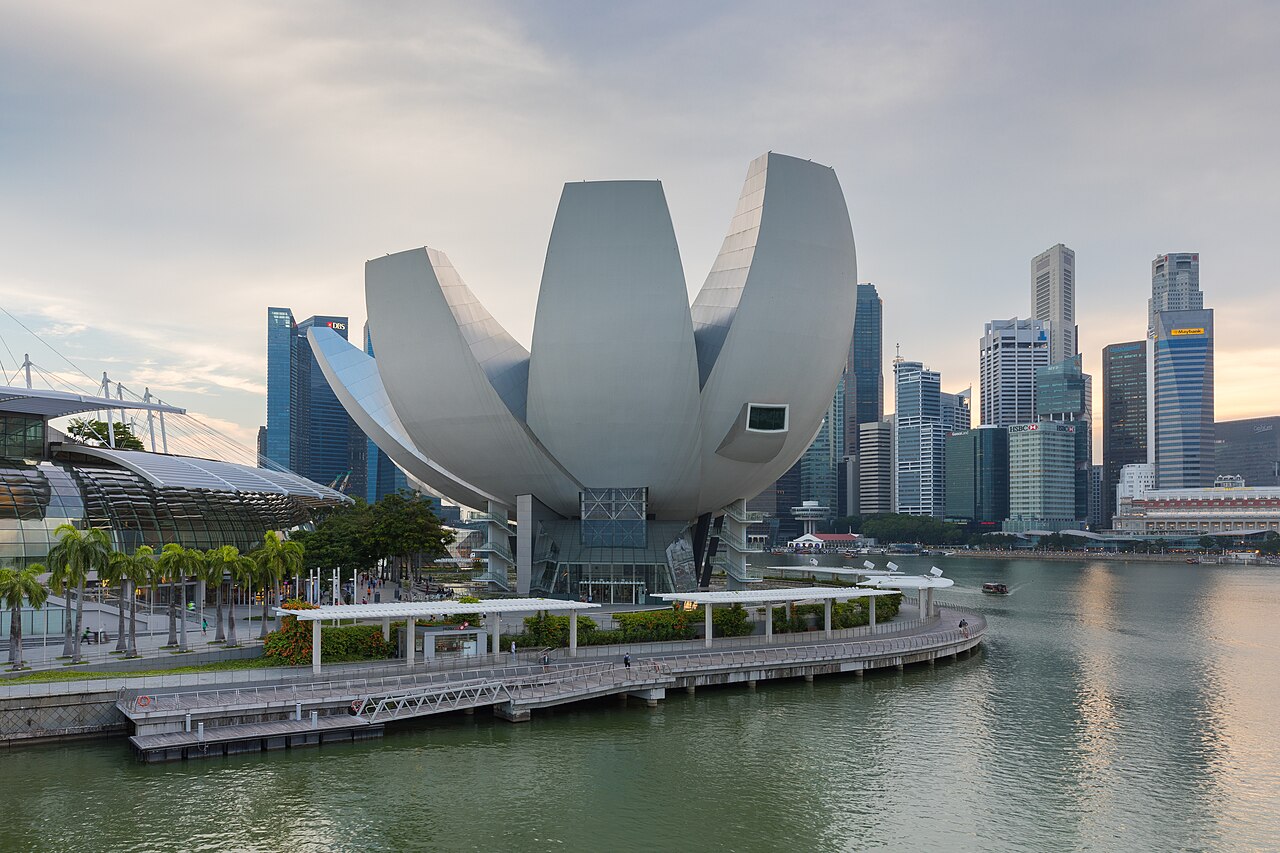
URA Master Plan and Marina Bay Precinct
The Master Plan designates Marina Bay as a extension of the central area with plot ratios encouraging intensity while mandating public spaces, pedestrian connections and cultural facilities. Parcel sales include development conditions binding height, uses and design quality.
Mixed-use zoning allows office, hotel, retail and residential combinations that reduce single-use dead zones at night — a policy lever visible in integrated resort and podium-tower complexes.
Design Review and Skyline Management
Prominent sites face design review panels evaluating architectural merit, ground-level permeability and contribution to the skyline composition. Developers submit massing studies and façade samples before detailed planning permission.
Height envelopes protect selected view corridors while allowing landmark exceptions where national tourism and identity benefits are argued successfully.
Transport and Accessibility
Downtown MRT lines, bus interchanges and waterfront promenades integrate Marina Bay with the wider central area. Last-mile shading, lift cores to elevated parks and clear signage reduce friction for pedestrians moving between venues.
Parking provision ratios and ERP road pricing steer commuters toward public transport — reducing podium parking bulk that would otherwise dominate street frontages.
Public Realm and Event Infrastructure
NS Square, floating platforms and festival lighting infrastructure support National Day and international events. Planning reserves assembly capacity and crowd egress routes compatible with simultaneous commercial operations.
Climate Resilience
Drainage standards account for intense tropical rainfall; Marina Reservoir integration provides flood attenuation capacity coordinated with PUB stormwater policy.
Comparative Planning Lessons
Urbanists cite Marina Bay when discussing state-led waterfront transformation — contrasting Singapore's landownership model with fragmented private waterfronts in other global cities. Critics question social inclusion and affordability within glamour districts; proponents highlight public parks and free promenade access.
- Master Plan zoning and plot ratio allocation
- Design review for landmark parcels
- MRT-integrated pedestrian networks
- Public event space and waterfront accessibility